


In today's digital age, finding jobs online has become a norm. Websites, apps, and social media platforms offer a plethora of job opportunities that claim to provide lucrative salaries, flexible hours, and remote work options. However, not all job postings are genuine. Online job fraud is on the rise, targeting unsuspecting job seekers with promises that are often too good to be true.
Let’s dive into how these scams operate, warning signs to look out for, and tips to stay safe.

How Online Job Scams Operate
Fraudulent job opportunities come in various forms, but they often share common traits. Here are a few methods scammers use to lure their victims:
Fake Job Portals: Scammers create fake websites or profiles resembling legitimate companies to post job openings. They collect personal data or charge fees for fake job applications.
Upfront Payments: Scammers may ask for registration fees, training charges, or deposits in the name of job security. Once the payment is made, they vanish.
Too-Good-to-Be-True Offers: If a job claims you can earn thousands of dollars working just a few hours a week without any skill requirement, it's likely a scam.
Work-From-Home Scams: Scammers prey on people looking for remote work. Jobs like envelope stuffing, online surveys, or reshipping goods are often fronts for fraud.
Fake Recruitment Agencies: Fraudsters pretend to be recruiters and request payment for arranging interviews or placements.
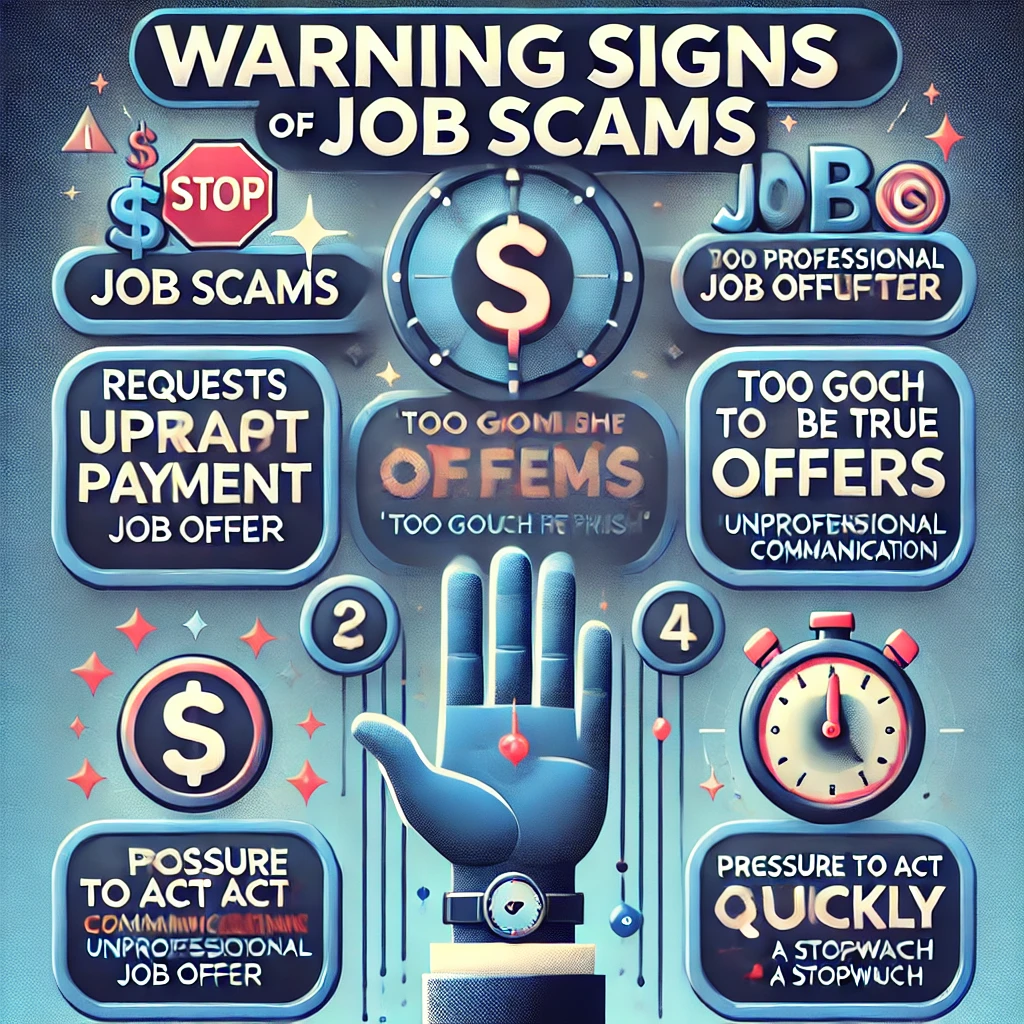
Warning Signs of Job Scams
Upfront Fees: Genuine companies do not ask for payment during the hiring process.
No Company Details: Scammers often avoid sharing clear company information like websites or verified contact details.
Unprofessional Communication: Emails with poor grammar, generic salutations, or unverified domains are red flags.
High Pressure: If you're being rushed to make payments or share personal details, take a step back.
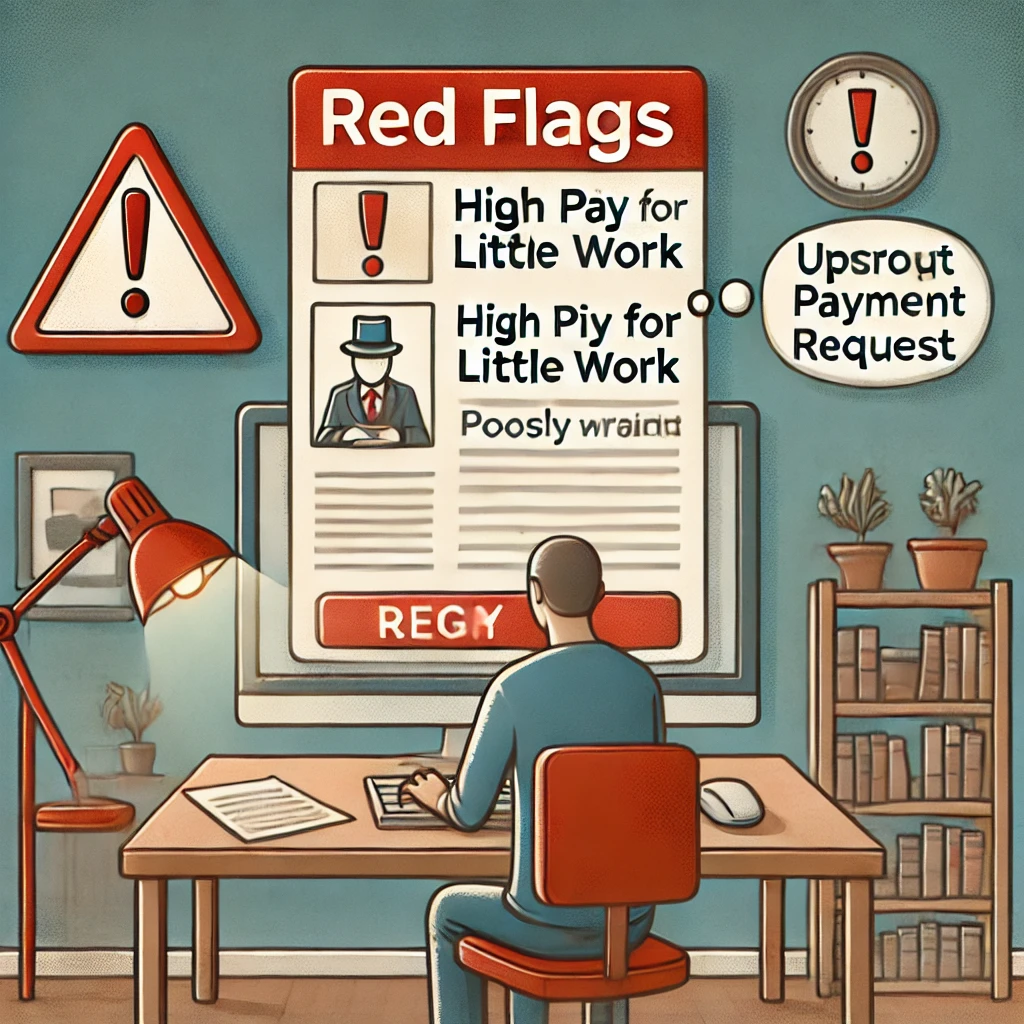
Unrealistic Promises: Jobs offering extremely high salaries with no effort are usually fraudulent.
Real-Life Examples of Online Job Scams
Data Entry Scams: Victims are asked to pay for software or registration for data entry jobs. Once payment is made, the "company" disappears.
Fake Interviews on WhatsApp: Some scammers conduct fake interviews through messaging apps and ask for bank details under the guise of salary processing.
Phishing Emails: Job seekers receive fake offer letters requiring them to click on malicious links or share sensitive information.

How to Protect Yourself
Research the Employer: Verify the company’s name, website, and reviews. Use LinkedIn or other professional networks to confirm its legitimacy.
Avoid Upfront Payments: Never pay money for training, deposits, or registration for a job.
Check the Job Posting: Look for official job listings on the company's website instead of relying solely on third-party platforms.
Be Cautious with Personal Information: Don’t share sensitive details like bank account numbers, Aadhaar, or PAN details without proper verification.
Trust Your Instincts: If something feels off, investigate further before proceeding.
The internet offers countless legitimate job opportunities, but it’s essential to remain vigilant and cautious. Remember, a genuine employer will never ask you to pay money to get a job. By staying informed and exercising caution, you can protect yourself from online job fraud and secure real, rewarding opportunities.